Author: Eric Wong

  • Treat a Pulled Hamstring | Shoulder Impingement Stretches

    Treat a Pulled Hamstring | Shoulder Impingement Stretches

    I’ve got two new articles on PrecisionMovement.coach this week, focusing on:

    1. Helping you treat a pulled hamstring – what are the symptoms of a hamstring strain and a few strategies to help treat it
    2. Shoulder impingement – why does it happen and 3 powerful stretches to ease the pain


    New PMc Article #1:
    How to Treat a Pulled Hamstring

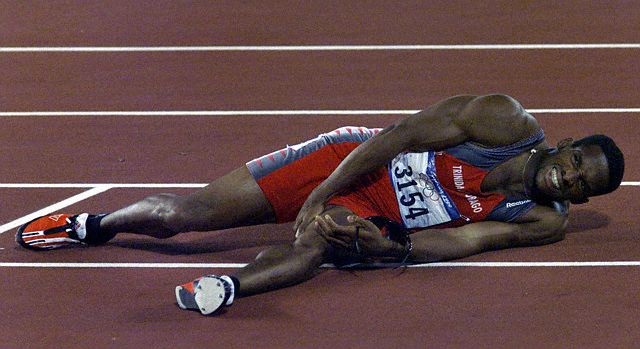
    how-to-treat-a-pulled-hamstring-painAlways feeling this intense pain in the back of your leg when you go jogging? Read this article to learn how to treat and prevent this common injury.

    Read More >>

    New PMc Article #2:
    3 Powerful Shoulder Impingement Stretches For Pain Relief

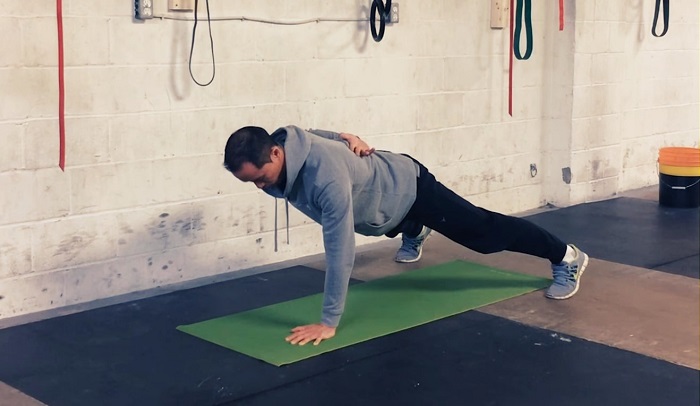
    shoulder impingement stretches - hovering pushup

    If you’re dealing with a shoulder impingement, these 3 quick stretches will help you eliminate the pain and more importantly, they will help you prevent this condition.

    Read more >>

    Got any questions? Leave them in the comments below.

  • Patellar Tracking Disorder | Shoulder Rehab | Sitting Exercises for Hip Mobility

    Patellar Tracking Disorder | Shoulder Rehab | Sitting Exercises for Hip Mobility

    Here’s what I’ve got for you on PMc this week:

    1. A thorough guide on what Patellar Tracking Disorder really is and why fixing this issue won’t help your knee pain.
    2. How do rotator cuff injuries happen and some effective exercises to rehab an injured shoulder.
    3. 4 awesome Hip Mobility exercises you can do WHILE sitting – so if you’re feeling too lazy to get up and exercise, you don’t have an excuse 😉


    New PMc Article #1:
    The TRUTH About Patellar Tracking Disorder

    patellar-tracking-disorder-human-kneeAre you experiencing persistent knee pain? Learn what’s actually causing your pain and why treating Patellar Tracking Disorder won’t help with this.

    Read More >>

    New PMc Article #2:
    Top 6 Supraspinatus Exercises for Rehabbing an Injured Shoulder

    An injured shoulder is no joke. It can hinder your ability to lift your arm and perform even the most simple day-to-day activities. These 6 supraspinatus exercises are a great way to rehab your shoulder so you can safely speed up the healing process and prevent re-injuries.

    Read more >>

    New PMc Article #3:
    4 Hip Mobility Moves to Do When Sitting

    hip mobility exercises while sittingSpending hours sitting down at your desk is likely causing your low back pain and movement limitations. Here are 4 simple hip mobility exercises you can do to address these issues (you can even do these while sitting down at work!).

    Read More >>

    Got any questions? Leave them in the comments below.

  • Heal a Sprained AC Joint | 5 Exercises for Healthy Knees

    Heal a Sprained AC Joint | 5 Exercises for Healthy Knees

    This week on PrecisionMovement.coach I’ve got 2 great articles covering:

    1. What to do if you’ve sprained your AC joint and a few tests to help you determine whether you’ve got an AC joint dysfunction or a shoulder impingement.
    2. A short anatomy lesson on the knees and 5 great techniques to help alleviate achy knees if you’ve got diagnosed with patellofemoral pain syndrome.

    Here they are:

    New PMc Article #1:
    Sprained AC Joint? 7 Things You Need To Know…

    sprained-ac-joint-shoulder-painAre you experiencing shoulder pain after a recent fall? Here are a few tests to help you differentiate between shoulder impingement and an AC joint injury and what to do in case you’ve sprained your AC joint.

    Read More >>

    New PMc Article #2:
    5 Patellofemoral Pain Syndrome Exercises for Healthy Knees

    patellofemoral pain syndrome exercisesKnee pain? We’ve all been there…Read this article to discover what patellofemoral pain syndrome is and 5 effective techniques to help you get some pain relief – plus, if you follow these techniques systematically, you’re going to see a major improvement in your knee’s health.

    Read More >>

    Got any questions? Leave them in the comments below.

  • Serratus Anterior Exercises for Healthy Shoulders | Rehab a Strained Rotator Cuff

    Serratus Anterior Exercises for Healthy Shoulders | Rehab a Strained Rotator Cuff

    The sole focus on PrecisionMovement.coach this week has been the shoulders and I’ve got a ton of tips for you on how to keep them healthy to help you avoid issues like impingement or scapular winging.

    Here you go:

    New PMc Article #1:
    5 Serratus Anterior Exercises for Healthy Shoulders

    serratus anterior exercises

    Do you have winged shoulder blades that stick out in the back? Chances are weakness in your serratus anterior muscle might be causing that. Read this article to discover the important role of this muscle in keeping your scapulae healthy and try these exercises to prevent issues like shoulder impingement or scapular winging.

    Read More >>

    New PMc Article #2:
    The Fastest Way to Rehab a Strained Rotator Cuff

    baseball pitch - strained rotator cuffIf you’re into weight lifting, swimming,  or playing baseball or any other sports that involve rapid overhead arm movements, you’re at risk for rotator cuff injuries. Here’s what you should know if you’ve been injured and follow this 7 step plan to help you recover from a strained rotator cuff.

    Read More >>

    Got any questions? Leave them in the comments below.

  • Best Hip Stretches for Runners | Treat Subacromial Bursitits

    Best Hip Stretches for Runners | Treat Subacromial Bursitits

    I’ve got 2 new articles for you on PrecisionMovement.coach, covering:

    1. The Best Hip Stretches for Runners – learn why running and tightness go hand in hand and what you can do to prevent that.
    2. How to Treat and Prevent Subacromial Bursitits – what causes subacromial bursitits and a 5 step plan to keep your shoulders healthy and free of pain.

    New PMc Article #1:
    The 5 Best Hip Stretches for Runners

    hip stretches for runners

    Do you love running but you can’t fully enjoy it because of pain and mobility limitations? Read this article to find out how running leads to hip flexor tightness and how you can train your body more efficiently for running.

    Read More >>

    New PMc Article #2:
    5 Step Plan to Treat and Prevent Subacromial Bursitis

    If you’re dealing with subacromial bursitis, there are a few ways you can get rid of that restrictive pain and discomfort in your arms. Learn what’s causing this issue first and follow my 5-step plan to treat and prevent subacromial bursitis.

    Read More >>

    Got any questions? Leave them in the comments below.

  • Master the Pistol Squat | 3 Techniques to Decrease FAI Pain

    Master the Pistol Squat | 3 Techniques to Decrease FAI Pain

    I’m covering 2 new topics on PrecisionMovement.coach this week:

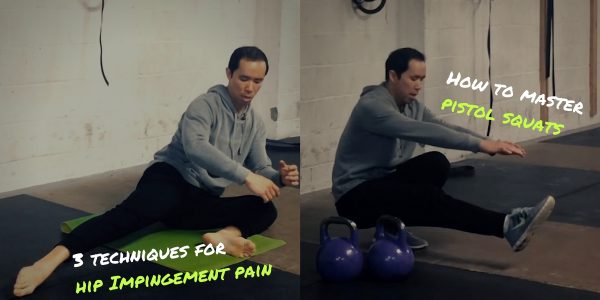
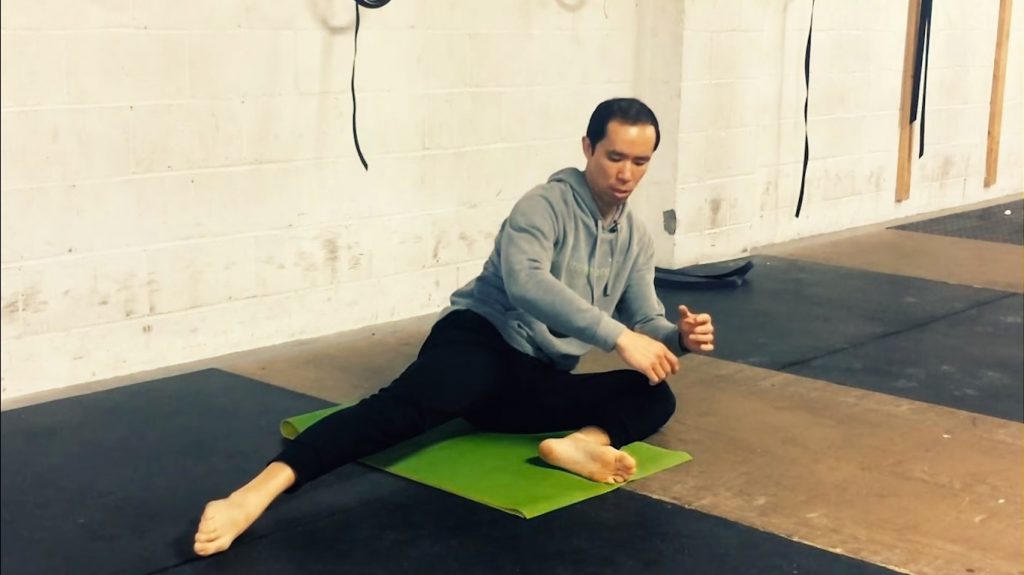
    1. Hip Impingement – what are the signs of femoral acetabular impingement and 3 techniques to help you manage the pain.

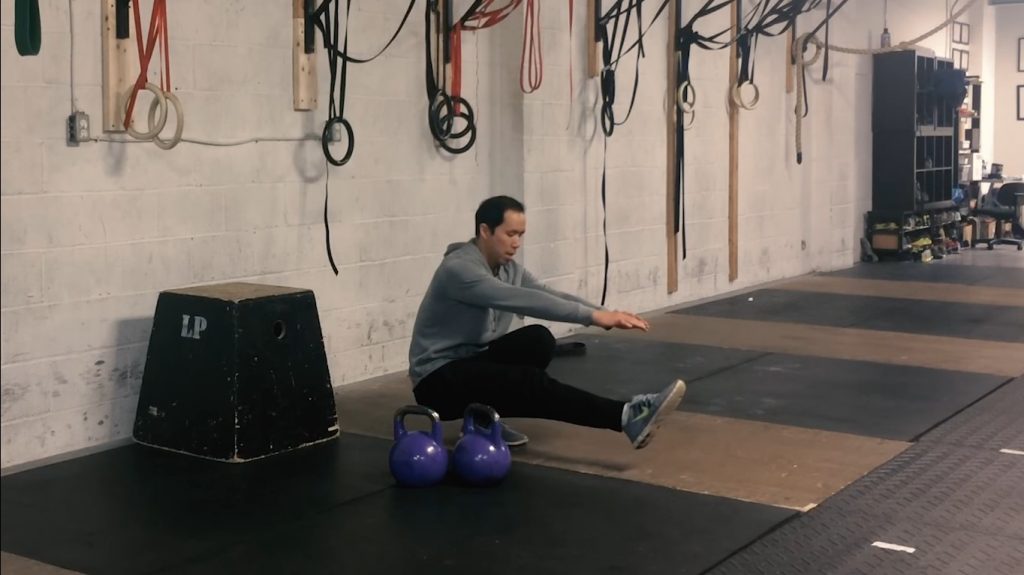
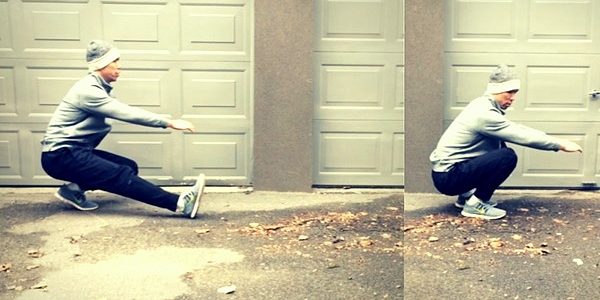
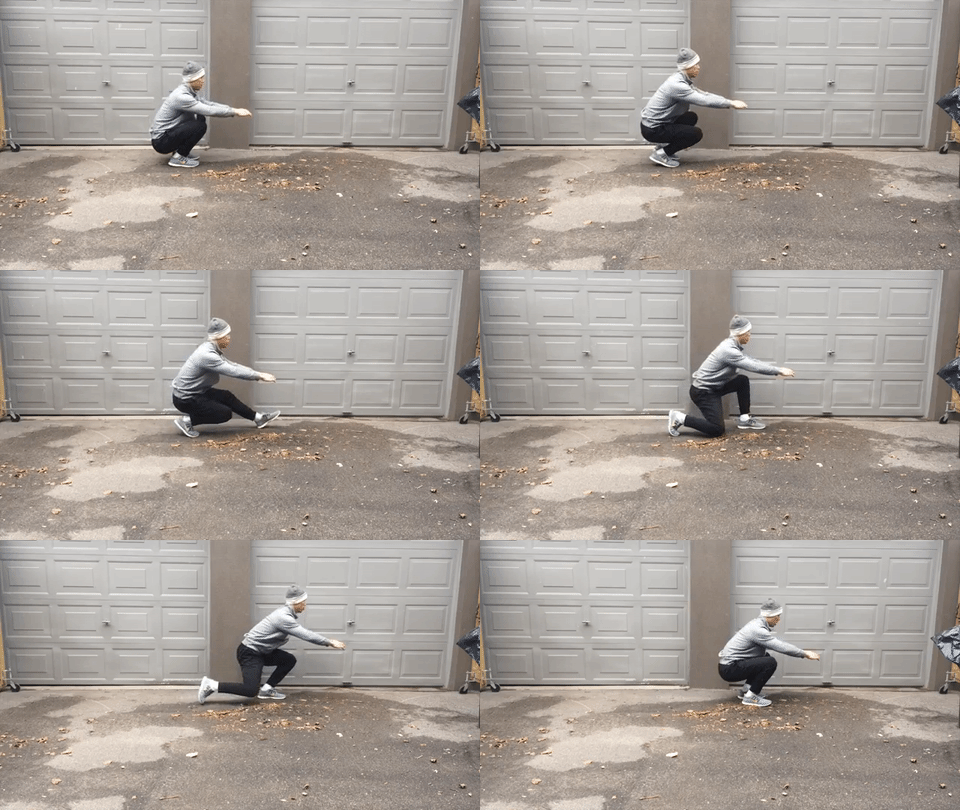
    2. Pistol Squats – 3 key benefits to adding them to your workout routine and 3 new pistol squat progressions to improve your technique by helping you gain more balance and control.

    Here they are below:

    New PMc Article #1:
    3 Techniques to Decrease Femoral Acetabular Impingement Pain

    hip impingement butterfly reaches

    Ever feel a very localized, pinching-type pain in the front of your hip in a deep squat, especially with a wider stance? Then FAI may be the culprit and although doctors will tell you you’re screwed, I’m living proof you’re not and the 3 techniques in this post will help. 

    Read More >>

    New PMc Article #2:
    3 Part Pistol Squat Progression for Mobility, Balance & Strength

    For most people, the top half of the pistol squat is no problem. But if you want to see some improvements in the bottom range of the squat, you need a solid pistol squat progression that can re-program the 3 key elements of the pistol squat: mobility, balance and strength.

    Read More >>

    Got any questions? Leave them in the comments below.

  • New Crawl Exercise for Squat & Hamstring ROM

    New Crawl Exercise for Squat & Hamstring ROM

    Today, I’ve got a new crawl exercise for you that I call the Forward Squat Crawl that provides 2 major benefits:

    1) Cement a deep and stable bottom squat position

    2) Lengthen your hamstring ROM

    A bonus benefit is it might also make you feel like an assassin.

    Work up to 2-3 sets of 6 reps per but focus on QUALITY, not quantity, so even if you do just 1 rep per side properly, that’s better than 6 done poorly.

    Please try the exercise then let me know how it feels i.e. where it feels restricted, what muscles are working, any cramping etc.

    Technique Cues
    1. Get into a deep squat with neutral spine – if you have to put your hands on the ground or lift your heels to maintain neutral, do it
    2. Staying low, reach forward with one leg to crawl forward
    3. Actively drag yourself forward with the lead leg, firing up the hamstrings
    4. Go slowly with controlled movements and breathe

  • Technique for Overhead Mobility and Bad Posture

    Technique for Overhead Mobility and Bad Posture

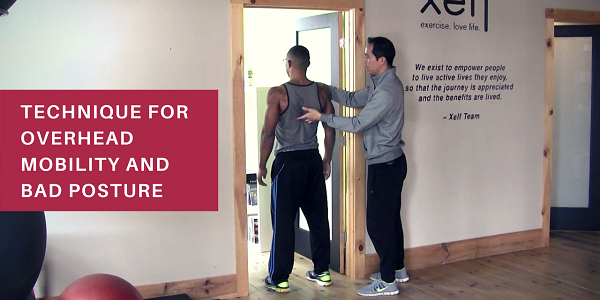
    I cannot overstate the importance of working on your posture, especially when I walk around the city and see people like this:

    posture

    What’s even worse is when I am one of these people!

    That’s why today’s drill and other exercises like this that address your thoracic spine and shoulders  are important to do on a daily basis.

    Because if we do exercises like this just once a week, it cannot compete with the daily onslaught our bodies experience as a result of computers, driving, TV and cell phones.

    For best results, do 2-3 sets with the first right in the doorway before making your way in a bit deeper doing 6-10 reps each set. And don’t forget to BREATHE!…

    If you’re looking for a 15 minute routine to do daily to reverse or prevent bad posture and shoulder tightness, check out the Shoulder Flexibility Solution here.


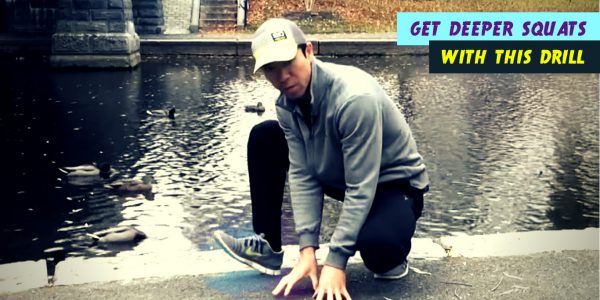
  • Get a DEEPER Squat With This Drill

    Get a DEEPER Squat With This Drill

    Today’s video is going to improve your squat mobility.

    Yes, I can make such a bold claim, regardless of what you’ve done before, because I know the drill we’re going to go through includes elements I’ve never seen anyone else use to improve their squat range.

    Before we get to it, one element I’d like to highlight is how it’ll help you gain ankle dorsiflexion (pulling toes up towards knee), a common factor when limited that makes people feel like they’re going to fall backwards when in the deep squat.

    It’s not the only factor that contributes to this, but it’s definitely a common one.

    If you run or jump a lot or do any other high impact movements on your feet, your ankles take a beating.

    Over time, dorsiflexion deteriorates and because it’s not something most people (well, not peeps like you and me) think of training, it gets worse and worse where it can ultimately result in a compensatory movement and injury.

    The thing is, the injury will often occur elsewhere, such as at the knee or hip.

    But because the root cause is limited ankle range, it’s never addressed and you might go on for years and years hurting yourself and treating symptoms while feeling frustrated and hopeless not being able to do what you want to do.

    That’s why keeping tabs on things like ankle dorsiflexion is important and this drill will help you not only keep tabs on it, but MAXIMIZE it so it never causes an issue.

    That’s just ONE of the benefits of this drill and it’s why it’s a new staple in my warmup.

    So let’s get to it, shall we?

    Follow-along then let me know how it felt in the Comments when you’re done.

    By the way, the approach used in this drill is just one reason why my Hip Flexibility Solution has proven so effective.

    Click here for the complete scoop on the Hip Flexibility Solution.

  • 2 Exercises to Fix Your Stiff T-Spine

    2 Exercises to Fix Your Stiff T-Spine

    Your spine is designed to move…

    Well, maybe not if you’re dressing up as Frankenstein today for Hallowe’en, but every other day your spine should be doing what it’s made to do.
    frank

    If the spine was designed to be like a stiff rod, there wouldn’t be 7 cervical, 12 thoracic and 5 lumbar vertebrae that can move in every plane of motion through flexion/extension, side bending and rotation.

    Instead, we’d simply have a single bone, like other body segments that aren’t supposed to move such as the femur and humerus.

    But no, we’ve got a spine made up of many different
    joints that are ALL designed for MOVEMENT.

    Modern day life has our spine either straight or flexed most of the time and because we spend so much time there, our bodies adapt and adopt it as the norm, hence all the people who like depressed with their hunch backs walking around.

    And because we don’t use our ability to extend and rotate our spines, we lose it.

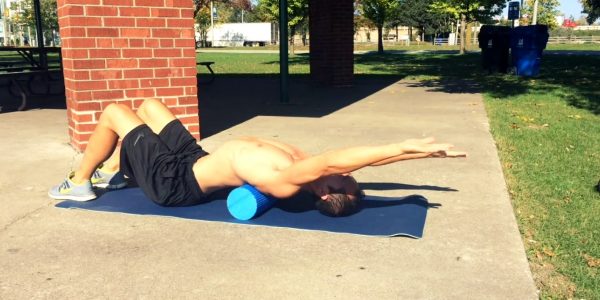
    Well, the 2 new exercises I’m sharing with you today that use the foam roller (something we should all have at home) will help you get your extension back.

    The first drill gets you to your full thoracic extension (whatever that may be for YOU), then builds strength there, specifically in the spinal extensors like the multifidus and those little-known spinalis and longissimus muscles.

    That’s how you gain and keep new ranges of motion: you build strength at that range.

    This is a critically important point, hence the bolded text.

    If you simply achieve a new range of motion through stretching, you will quickly lose it because without strength in that range, your central nervous system (CNS) sees that range as weak and unstable and any range that’s weak and unstable is a risk for injury, which your CNS doesn’t want (it likes you, it really likes you).

    That’s one of the concepts at the core of my Hip Flexibility Solution and Shoulder Flexibility Solution programs.

    The second drill will build active strength to get you to your full range of thoracic spine extension by actively contracting the lower and middle traps and rhomboids, which will also result in co-contraction of the deep spinal extensors.

    It’s these deep spinal extensor muscles we’re targeting that will help us gain new T-spine extension, especially since you’ve probably never worked them before.

    So that’s the background for you so you understand what we’re doing and why – now that you know what’s up, give it a shot:

    Exercise #1: 1-2 sets x 10 reps

    Exercise #2: 1-2 sets x 4-6 reps with a 3 sec hold

    What do you think of this video style, where I do a voice over instead of talk?

    It’s a little experiment I tried – it takes more time/work and I’m not sure I want to do it that way anyway, but I’m wondering what you think or if you have any other suggestions on how I do my vidz.

    Let me know in the Comments – I’d love your feedback.